
Custom First Aid Bags for Workplace Safety Kits: The Complete Australian Guide
Learn how to source, customise, and use branded first aid bags for workplace safety kits across Australian businesses, schools, and events.

Written by
Patrick Lee
Safety & Workwear
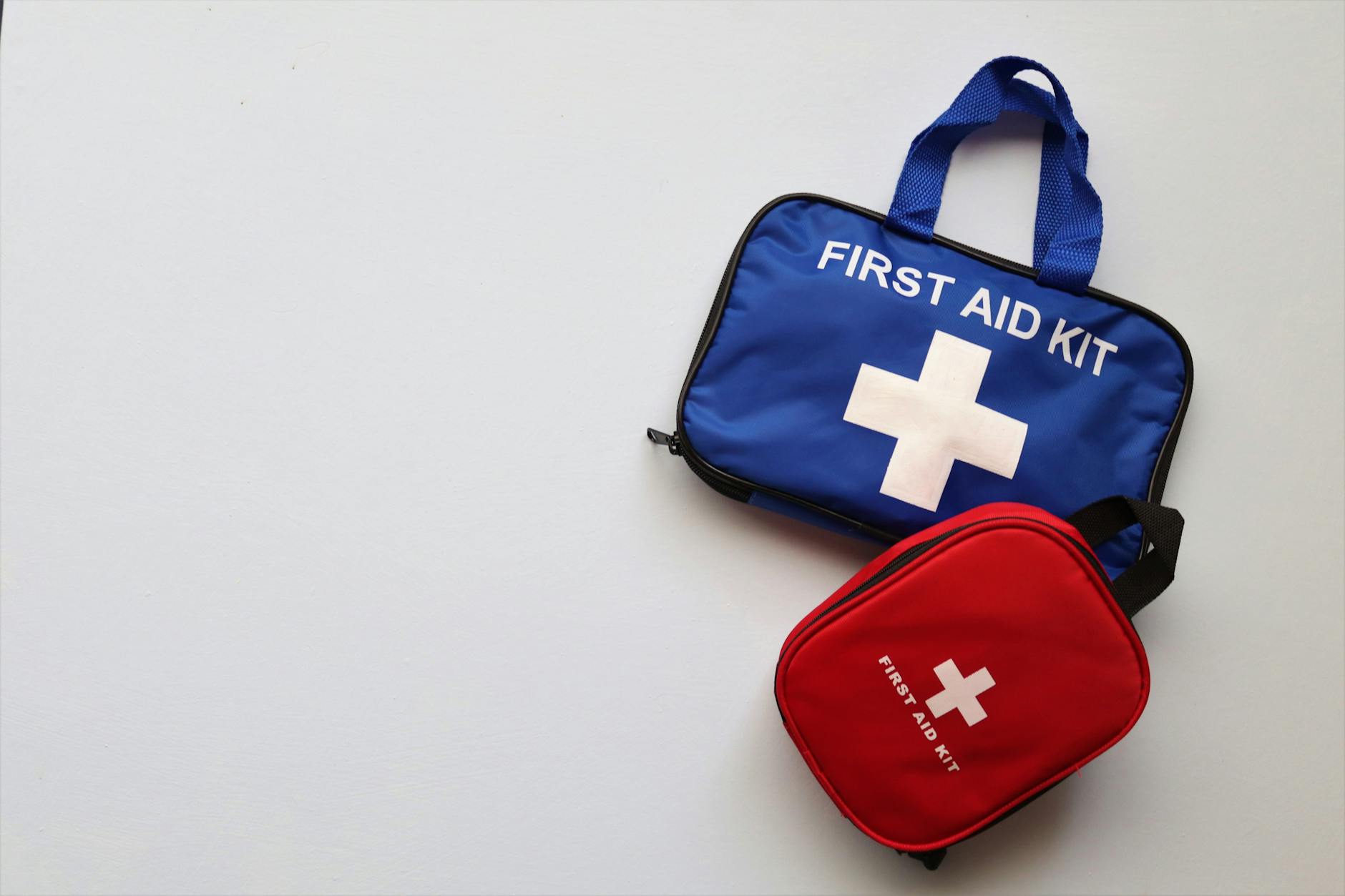
Workplace safety is a legal obligation in Australia — but it doesn’t have to mean boring, generic equipment sitting forgotten in a back cupboard. Custom first aid bags for workplace safety kits are one of the most practical, high-visibility branded items any Australian organisation can invest in. Whether you’re outfitting a construction site in Perth, equipping classrooms across a Sydney school network, or managing a large corporate event in Melbourne, a well-branded first aid bag serves a dual purpose: it keeps people safe and reinforces your organisation’s commitment to care. This guide walks you through everything you need to know — from choosing the right bag style and decoration method to budgeting, ordering, and making the most of your investment.
Why Custom First Aid Bags Belong in Every Australian Workplace Safety Kit
Australia’s Work Health and Safety (WHS) legislation requires employers to provide adequate first aid equipment in the workplace. But the legislation doesn’t prescribe exactly what that equipment should look like — which opens the door to a smarter, more professional approach.
A generic red box from a hardware store gets the job done at a basic level. A custom-branded first aid bag, on the other hand, does far more. It signals that your organisation takes safety seriously. It makes the kit easy to identify in an emergency. And it creates a consistent, professional appearance across multiple sites or departments.
Think about a mid-sized construction company operating across Brisbane and the Gold Coast. Each work site needs its own first aid supplies, but with a generic kit, there’s no easy way to tell at a glance whether the kit is stocked, which site it belongs to, or who’s responsible for maintaining it. A branded bag with the company logo, site name, and contact details printed clearly solves all of those problems immediately.
Branded merchandise has a measurable impact beyond mere aesthetics — the psychology of visibility and recognition is well-documented. If you’re curious about how colour choices affect brand perception, our guide on promotional product colour psychology offers some excellent insights that apply directly to safety equipment design.
Choosing the Right Bag Style for Your Safety Kit Needs
Not all first aid bags are created equal. The right style depends on your workplace environment, the number of users, portability requirements, and how the bag will be stored.
Hard-Shell vs Soft-Shell Bags
Hard-shell first aid cases offer excellent protection for delicate equipment like bandages, medications, and instruments. They’re ideal for fixed locations — reception areas, break rooms, or equipment sheds. Soft-shell bags, on the other hand, are far more versatile. They’re lighter, easier to carry, and can be branded with embroidery or digital printing across a larger surface area.
For most Australian workplaces, a soft-shell bag with multiple compartments, a carry handle, and a shoulder strap hits the sweet spot between practicality and branding potential.
Size and Compartment Configuration
The size of your first aid bag should reflect the number of employees it will serve. Safe Work Australia guidelines recommend considering the nature of the work, the distance from medical assistance, and the number of workers when determining what supplies are needed. A small zippered pouch might suit a two-person office in Canberra; a large multi-pocket backpack-style kit might be more appropriate for a 50-person manufacturing team in Adelaide.
Popular configurations include:
- Compact zip pouches – ideal for individual vehicles, toolboxes, or small teams
- Medium roll-up bags – great for tradies, field workers, and mobile teams
- Large backpack-style kits – suited to sporting clubs, outdoor events, and school excursions
- Wall-mounted soft packs – designed for fixed workplaces with high foot traffic
Material Considerations
Durability matters. Look for bags made from water-resistant nylon, ripstop fabric, or heavy-duty polyester. These materials hold up in outdoor environments like construction sites, sports grounds, and school playgrounds — and they provide an excellent surface for screen printing or heat transfer decoration. For organisations prioritising sustainability, there are also options made from upcycled and recycled materials that align with environmental commitments without sacrificing functionality.
Decoration Methods for Branded First Aid Bags
Getting your logo and branding onto a first aid bag requires choosing the right decoration method. The approach you take affects cost, durability, colour accuracy, and how the finished product looks in the field.
Embroidery
Embroidery is the gold standard for fabric bags. It’s highly durable, professional in appearance, and holds up through repeated use and washing. It’s ideal for logos with defined shapes and limited colours. The raised texture gives an upmarket feel — a smart choice for corporate environments and healthcare organisations. Keep in mind that embroidery typically works best with simpler designs; highly detailed logos with fine lines may lose definition.
Screen Printing and Heat Transfer
Screen printing offers vibrant, bold results on flat fabric surfaces and is cost-effective at higher volumes. It’s well-suited to medium and large bag panels. Heat transfer printing allows for photographic-quality detail and is a good option for smaller runs or bags with curved or textured surfaces. Both methods produce excellent results for safety equipment that needs high visibility in an emergency.
Laser Engraving and Pad Printing
For bags with zippered accessories, metal clasps, or hard components, laser engraving and pad printing can add subtle but professional branding touches. These are more niche applications but worth considering if your bag has hard panels or accessories.
For those managing larger merchandise programs, understanding how decoration methods interact with your overall branding is crucial — our overview of how promotional products influence consumer behaviour is a helpful reference when planning your kit strategy.
Budgeting and Ordering Custom First Aid Bags in Australia
Understanding Minimum Order Quantities
Most Australian suppliers offering custom first aid bags work with minimum order quantities (MOQs) ranging from 25 to 100 units, depending on the product and decoration method. If you’re a small business needing only 10 bags, you may need to look at suppliers who specialise in lower-volume runs, though you’ll typically pay a higher per-unit price.
For large organisations — such as a state government department outfitting dozens of offices across New South Wales, or a national retail chain with locations in Darwin, Hobart, and Perth — bulk pricing tiers can significantly reduce the per-unit cost. It’s worth getting quotes at several volume levels (e.g., 50, 100, 250 units) to find the optimal price point.
Setup Fees and Artwork Requirements
Most decoration methods involve a one-time setup fee that covers artwork preparation, screen making, or embroidery digitising. These fees typically range from $40 to $150 per colour or element, depending on complexity. Once the setup is done, reordering becomes considerably cheaper.
For smooth artwork approval, provide your logo in vector format (AI, EPS, or high-resolution PDF). This ensures clean, scalable reproduction regardless of the bag size. If you’re also investing in other branded materials — such as personalised USB sticks for onboarding kits or branded polo shirts for your safety team — supplying consistent artwork files from the start will streamline the entire process.
Turnaround Times
Standard production for custom first aid bags typically runs 10 to 15 business days after artwork approval, plus shipping. If you’re on a tight deadline — say, ahead of a workplace audit, a new site opening, or a staff training day — communicate your timeline clearly to your supplier from the first enquiry. Rush production is sometimes available at an additional cost.
Practical Applications Across Australian Industries
Custom first aid bags for workplace safety kits are relevant across a remarkably wide range of sectors.
Construction and trades: High-visibility branded kits for each work vehicle or site shed ensure workers can locate first aid supplies quickly. Combined with branded hi-vis workwear, they create a cohesive safety culture.
Schools and education: A Perth primary school ordering 20 embroidered first aid bags for excursions, sports carnivals, and classroom use creates a professional image while keeping supplies organised. These are often used alongside other school merchandise — our guide on workplace promotional merchandise and company culture translates well to school environments too.
Corporate events and conferences: Large-scale events in Melbourne or Sydney regularly include first aid stations. A branded bag makes these stations look professional and reassures attendees. Pair them with other event merchandise like custom promotional power banks for a polished attendee experience.
Sporting clubs: Football clubs, netball associations, and community sports teams across Queensland and Victoria regularly need portable first aid kits for training sessions and game days. A branded bag doubles as a visibility tool on the sidelines.
Healthcare and allied health: Clinics, physiotherapy practices, and mobile healthcare providers benefit from branded kits that reinforce professional credibility with patients.
Getting the Most from Your Investment
A custom first aid bag is only as effective as the supplies inside it and the people trained to use it. Ensure your bags are stocked according to Safe Work Australia guidelines and that responsible team members are trained in basic first aid procedures.
From a branding perspective, think beyond just the logo. Consider adding:
- Your organisation’s emergency contact number
- The site or department name for multi-location workplaces
- A subtle tagline or safety message
- Colour-coding for different departments or risk levels
These small additions turn a practical item into a genuinely useful communication tool. For inspiration on how colour impacts recognition, revisit our research on promotional product colour psychology.
If you’re building out a broader safety and branding program, it’s worth exploring seasonal promotional gifts for spring as part of an annual merchandise calendar, or considering branded stationery to complement your safety documentation and training materials.
Key Takeaways
Custom first aid bags for workplace safety kits are a smart, practical investment for any Australian organisation that takes safety — and professional presentation — seriously. Before you place your order, keep these essentials in mind:
- Match the bag style to the environment — consider portability, storage conditions, and the number of users before selecting a bag format
- Choose the right decoration method — embroidery for durability, screen printing for bold visibility, heat transfer for detailed artwork on shorter runs
- Plan your MOQs and budget carefully — request pricing at multiple volume levels and factor in setup fees and artwork preparation time
- Provide vector artwork from the start — it speeds up approval and ensures the best possible finished result
- Think beyond the logo — include contact details, site names, and colour-coding to maximise the practical value of your branded kits
- Align your first aid bags with your broader safety culture — consistent, professional-looking equipment signals genuine commitment to workplace wellbeing
Whether you’re a sole trader in regional Victoria or a large enterprise with offices in every Australian capital city, investing in custom first aid bags is one of the most visible, purposeful ways to demonstrate that safety isn’t just a checkbox — it’s a core value.